General Dermatology

Diagnosis, Advice and Treatment

What does a dermatologist do?

What to Expect

Our dermatologists are professional, supportive, and focused on patient care.

Comprehensive Skin Assessment

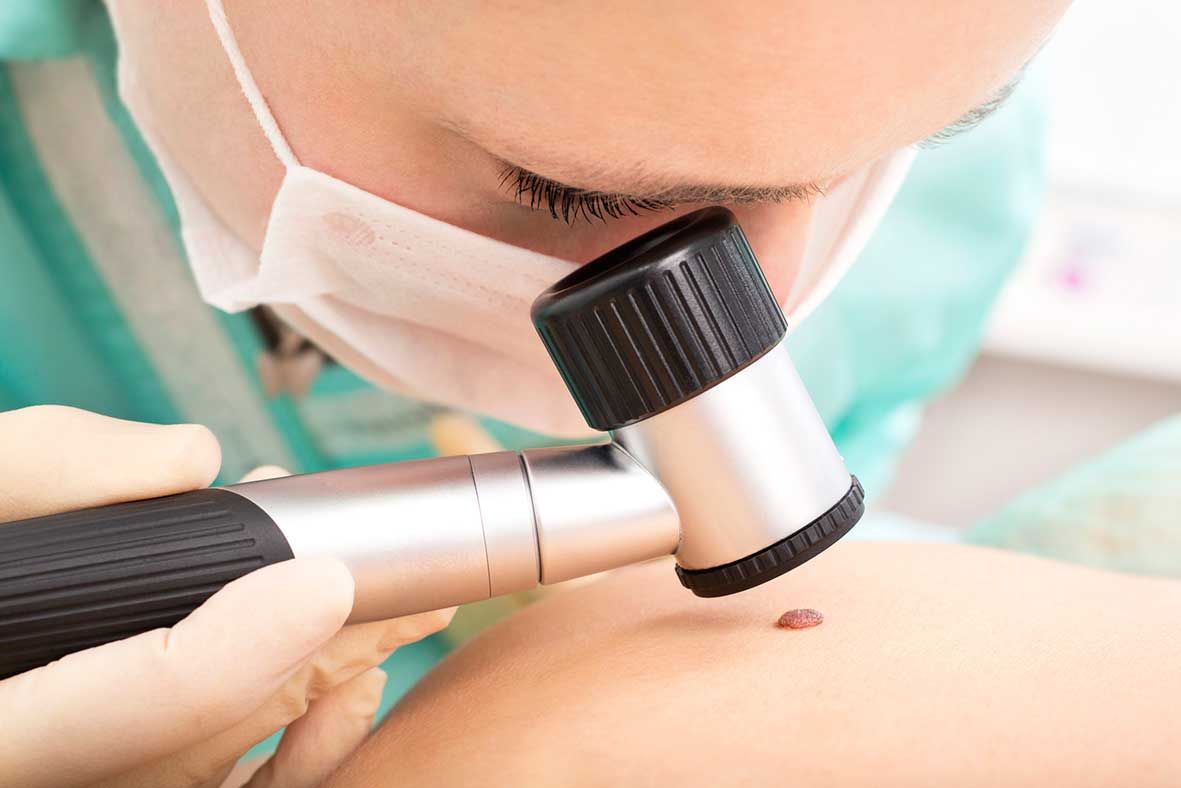
Your dermatologist will carefully examine your skin, hair, or nails using bright lighting and specialised tools, such as a dermatoscope, to gain a detailed view of the affected area.

Review of Your Medical History

We'll discuss your symptoms, skincare routine, previous treatments, lifestyle factors, and overall health to help build a complete picture of your condition.

Further Testing (If Required)

In some cases, additional tests such as a skin biopsy or patch test may be recommended to help confirm a diagnosis and ensure the most appropriate treatment plan is developed for you.

Dermatologists are experts in skin diagnosis and skin care. Below are some of the conditions we are most often asked about.

These pages are for informational purposes only and do not constitute medical advice. Please seek personalised guidance from a registered health practitioner regarding your individual circumstances.

Medical Dermatology

Skin Cancer and Sun Damage

The skin is the body's largest organ and serves as a vital protective barrier against potentially harmful environmental factors. However, it is susceptible to damage from ultraviolet (UV) radiation, heat, and extreme cold.

Regular sun exposure, including sunbathing or participating in outdoor activities without adequate sun protection, can cause cumulative skin damage over time. This damage may result in:

  • Loss of collagen and elastin, leading to wrinkles and premature ageing
  • Changes in pigmentation, resulting in darker or lighter areas of skin
  • Freckles and sunspots
  • Redness and visible enlargement of blood vessels
  • Thinning and fragility of the skin

In addition, certain medications that suppress the immune system may increase an individual's risk of developing skin cancer.

Common Types of Skin Cancer

The most common forms of skin cancer are basal cell carcinoma (BCC), squamous cell carcinoma (SCC), and melanoma.

Basal Cell Carcinoma (BCC) Basal cell carcinomas are the most common type of skin cancer. They typically grow slowly and rarely spread to the lymph nodes or other parts of the body. However, they can be locally invasive and cause significant tissue damage if left untreated.

Squamous Cell Carcinoma (SCC) Squamous cell carcinomas tend to grow more rapidly and may be tender or painful. These cancers often appear suddenly and can be mistaken for pimples, sores, or infections. Unlike infections, they do not resolve with antibiotic treatment.

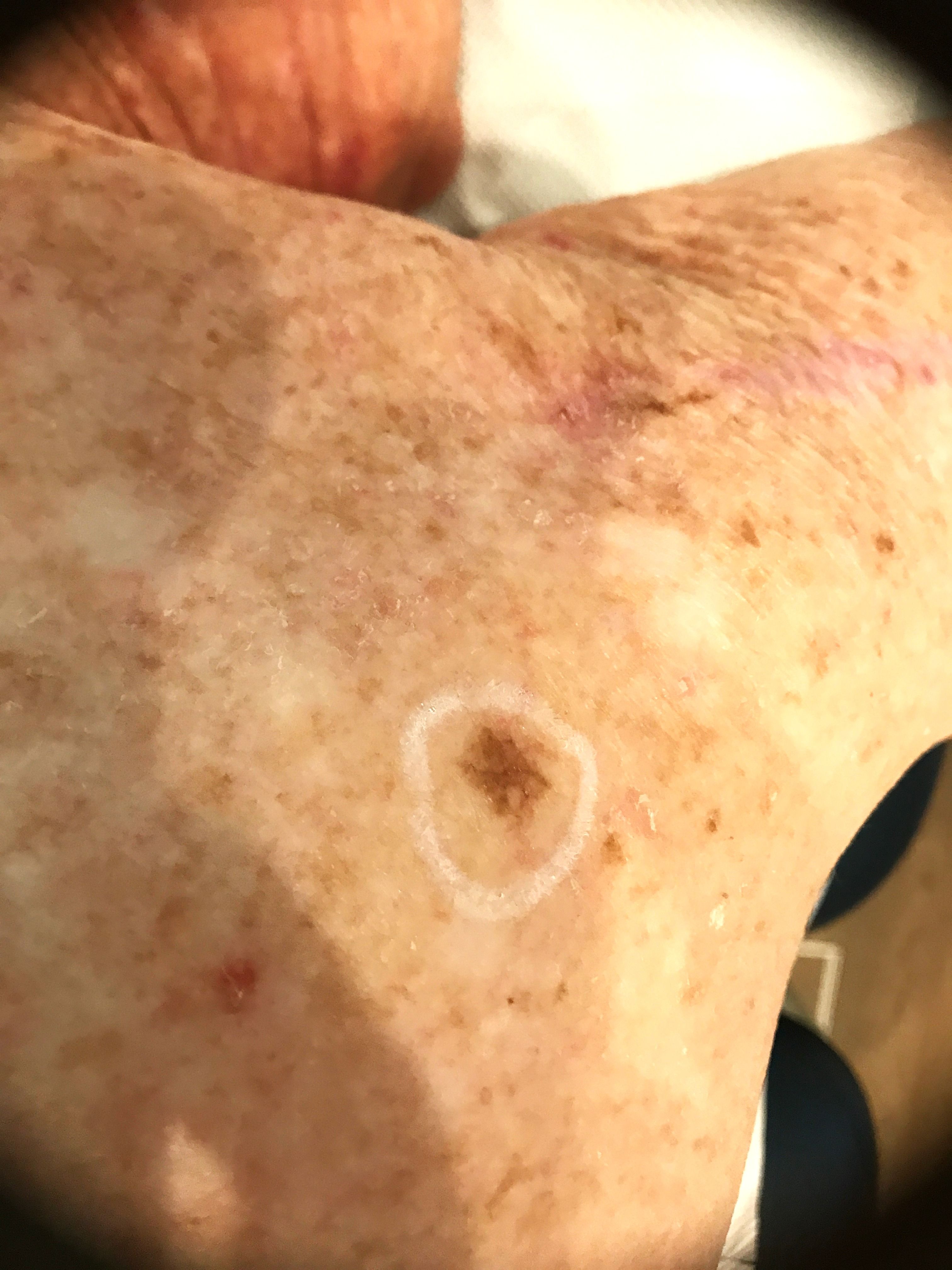
Melanoma Melanoma develops in the pigment-producing cells of the skin. The most common subtype is superficial spreading melanoma, which generally grows slowly and has a high cure rate when detected and treated early.

The Importance of Early Detection

Research indicates that approximately two out of three Australians will develop some form of skin cancer by the age of 70. Fortunately, most skin cancers can be successfully treated when identified and removed at an early stage.

For this reason, we strongly encourage regular self-examination of the skin and prompt medical assessment of any new, changing, or unusual spots, moles, or lesions.

Skin Cancer Care at Malvern Dermatology and Medical Laser Clinic

At Malvern Dermatology and Medical Laser Clinic, our dermatologists are highly trained medical specialists who provide comprehensive skin cancer assessments and full-body skin checks. We carefully evaluate moles, spots, lesions, and other skin growths to identify potential concerns as early as possible.

We take a holistic approach to the management of skin cancer and pre-cancerous skin lesions, offering a range of treatment options that may include:

  • Medical therapies
  • Surgical procedures
  • Laser-assisted treatments

Our dermatologists can also provide personalised advice on repairing sun-damaged skin, treating pre-cancerous changes, and reducing your risk of developing skin cancer in the future.
Skin Cancer

Acne

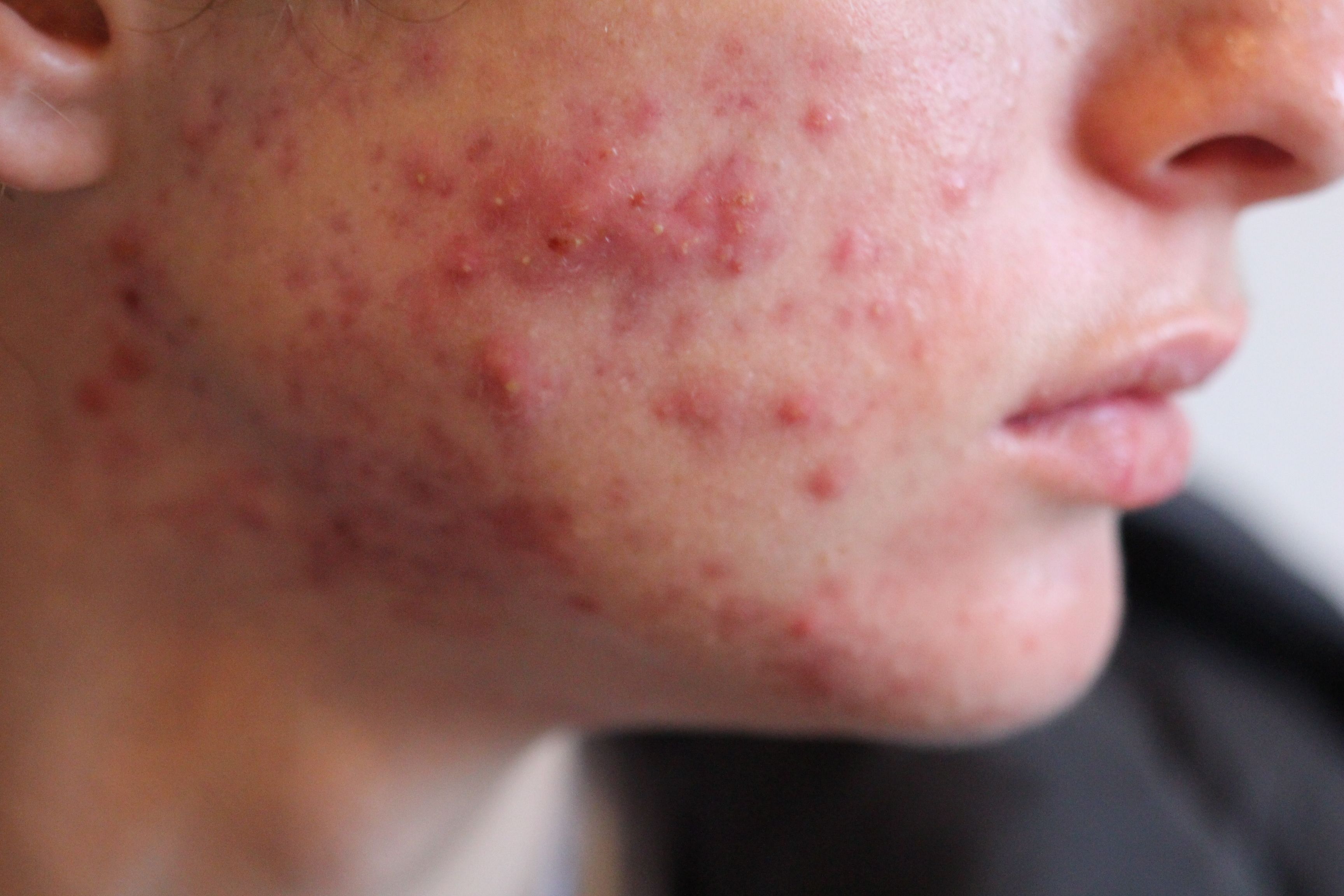
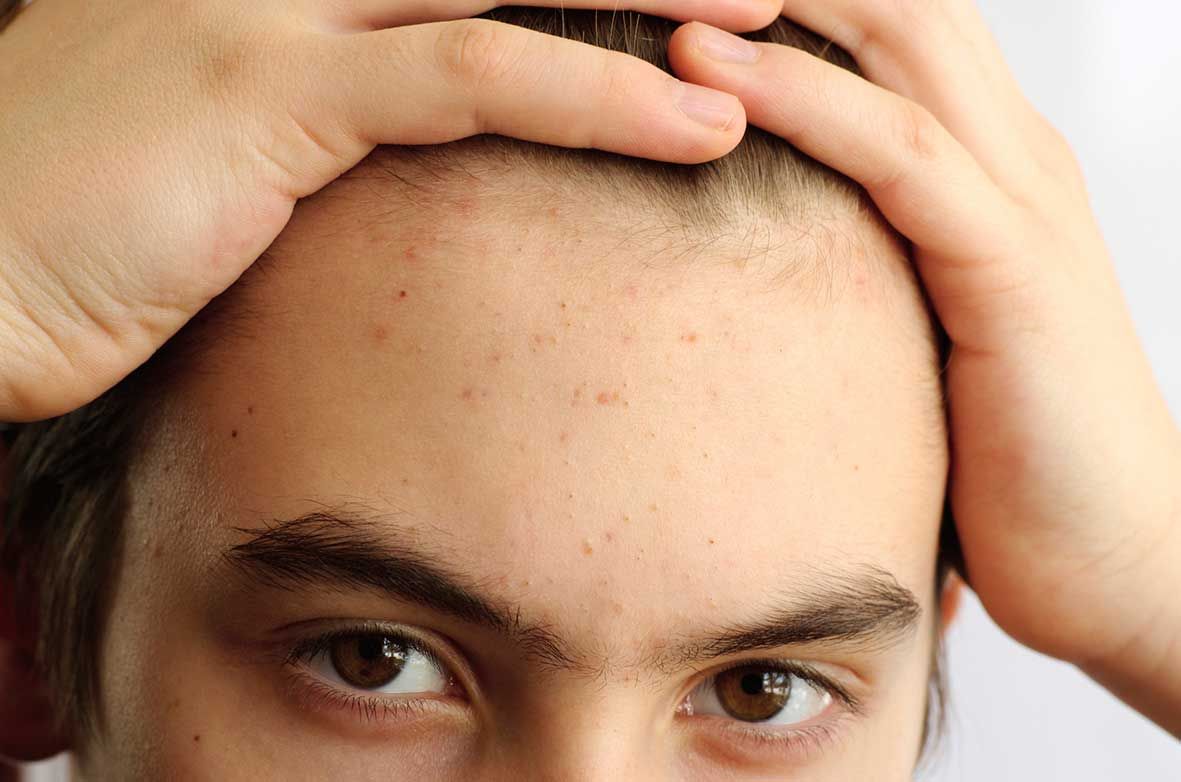
Acne is a skin condition that effects almost 80% of people at some time. Although most of us have some experience of acne, it is important to remember that this common condition can come with much stress and anxiety if left untreated. It can often result in scarring which persists long after the acne has cleared.

If you have acne, your skin will produce increased sebum (our body’s natural moisturiser). The oil ducts are prone to blockage causing blackheads and whiteheads.Overgrowth of bacteria within the stagnant packets of sebum results in red papules, pustules and nodules.

The areas often affected by acne are the face, neck, chest and back. It can be exacerbated by lifestyle factors such as stress, diet, and excessive sweating.

At Malvern Dermatology and Medical Laser Clinic, we are experienced in the treatment of all forms of acne. Your dermatologist will assess your skin and choose a treatment regime depending on the severity of your acne, current health, medical history, and lifestyle.

Some of the medical treatment options for acne include:

  • Topical cleansers /creams / serums
  • Antibiotics
  • Retinoids
  • Hormonal agents
  • Photodynamic Therapies
  • Pulsed Dye Laser Therapy
  • Combinations of the above
Acne

Psoriasis

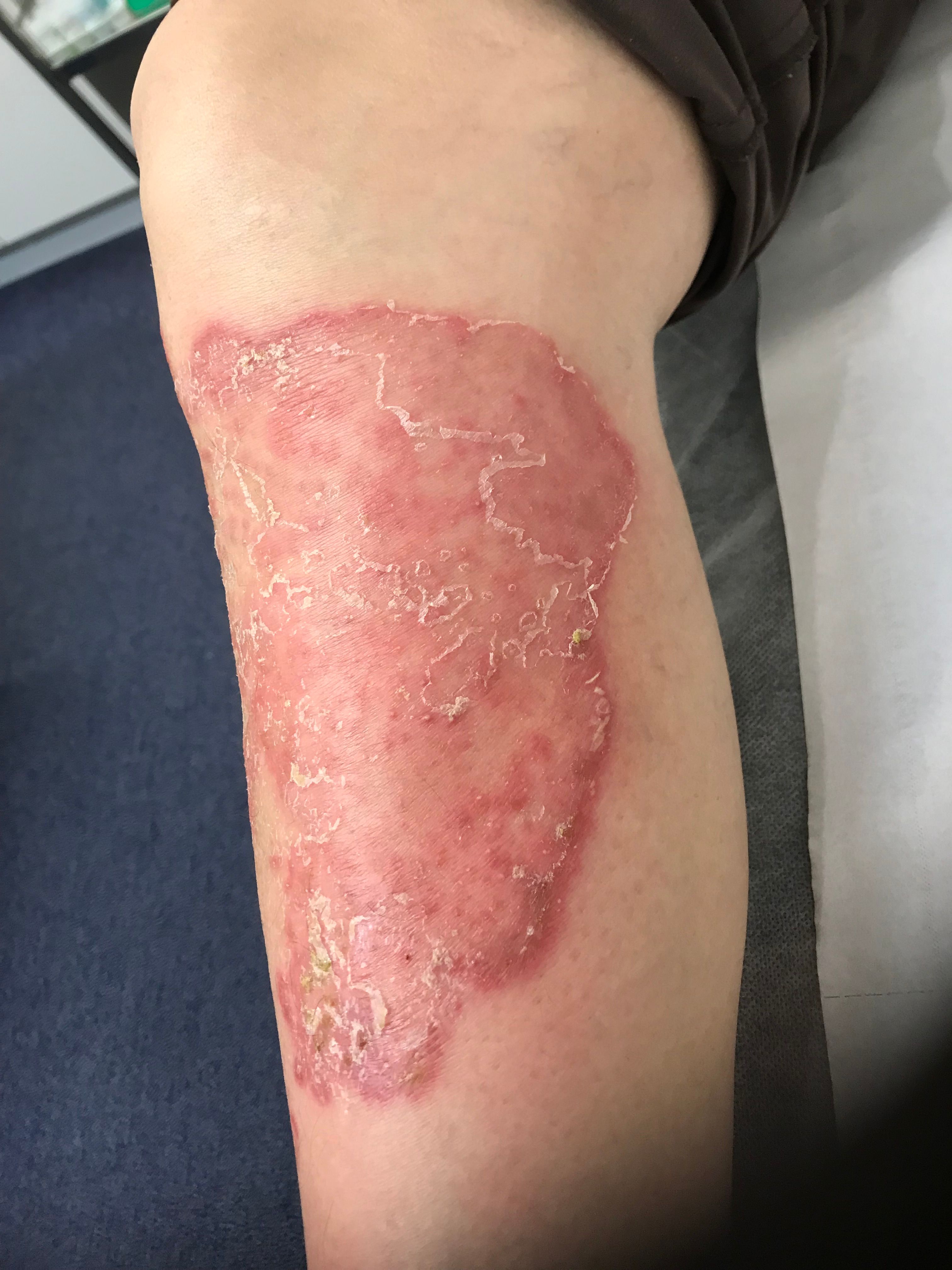
Psoriasis is a common, chronic inflammatory skin condition which manifests as salmon pink, thickened patches of skin covered by white or silvery scale. Patches may be small and subtle or may cover large areas of the body.

Psoriasis affects people of all ages. The most common ages for psoriasis to appear are in the late teens and in the 50s. It affects men and women equally.

Autoimmune

It is an auto immune disorder and can be triggered by environmental factors, stress or illness in individuals who are genetically predisposed. It is not contagious and is not due to an allergy.

Psoriasis can be so mild (thickened skin on the elbows and knees), that it is barely noticed by the affected person. Conversely it may affect highly visible areas such as the nails, hands and face or be widespread. It may or may not be itchy. Affected individuals are often embarrassed by the disease and shun social interactions.

About 5% of those with psoriasis will also develop an inflammatory arthritis (psoriatic arthritis), which causes painful swelling of the joints, damage and loss of function. It may involve one or more joints and can be very debilitating if left untreated. Many with extensive disease are still unaware we now have effective systemic treatments for psoriasis.

Your dermatologist is trained to assess your skin and joint disease. In most instances, psoriasis can be treated with lotions and creams, but sometimes light therapy or oral medications are required. The latter will often help skin and joint disease but if your dermatologist assesses your joint disease as being potentially destructive, a referral to a rheumatologist can be organised. Early intervention can prevent irreversible damage and loss of function.

Treatment

Most oral or systemic medications will require you to have blood tests done before starting treatment and on an ongoing basis by way of monitoring.

At Malvern Dermatology and Medical Laser clinic our aim is to clear your skin and keep your psoriasis under control. Phototherapy (narrow band UVB) can be done on site and will not usually incur any additional out of pocket expense. More resistant forms of psoriasis can be treated with prescription medications.

For those with more extensive skin or joint disease who have tried and failed other systemic prescription medications, new highly effective immune modulating drugs may be prescribed. These drugs are usually administered by injection. These treatments are available on the PBS, but strict criteria must be met in order to be eligible for these potentially life changing treatments.

The dermatologists at Malvern Dermatology and Medical Laser clinic are all fully conversant and familiar with these medications and can discuss and prescribe these medications if indicated. Monitoring and prescribing can be done through the clinic with no need for hospital attendances.

Psoriasis

Hair Loss

Hair loss is a common concern that affects both men and women at different stages of life. While some hair shedding is a normal part of the hair growth cycle, excessive hair loss can indicate an underlying condition that may benefit from assessment and treatment.

Why Does Hair Loss Occur?

Hair loss can develop for a variety of reasons, including genetics, hormonal changes, illness, medications, stress, and autoimmune conditions. Identifying the underlying cause is essential for determining the most effective treatment.

Male and Female Pattern Hair Loss

Pattern hair loss, also known as androgenetic alopecia, is the most common form of hair loss. It occurs in genetically predisposed individuals and is influenced by hormones that gradually cause hair follicles to shrink, producing finer, shorter hairs over time.

Telogen Effluvium

Telogen effluvium is a temporary form of hair loss that occurs when a significant number of hair follicles enter the resting phase prematurely.

Hair shedding often becomes noticeable several months after the triggering event. In most cases, recovery begins within six months as the hair growth cycle returns to normal.

Alopecia Areata

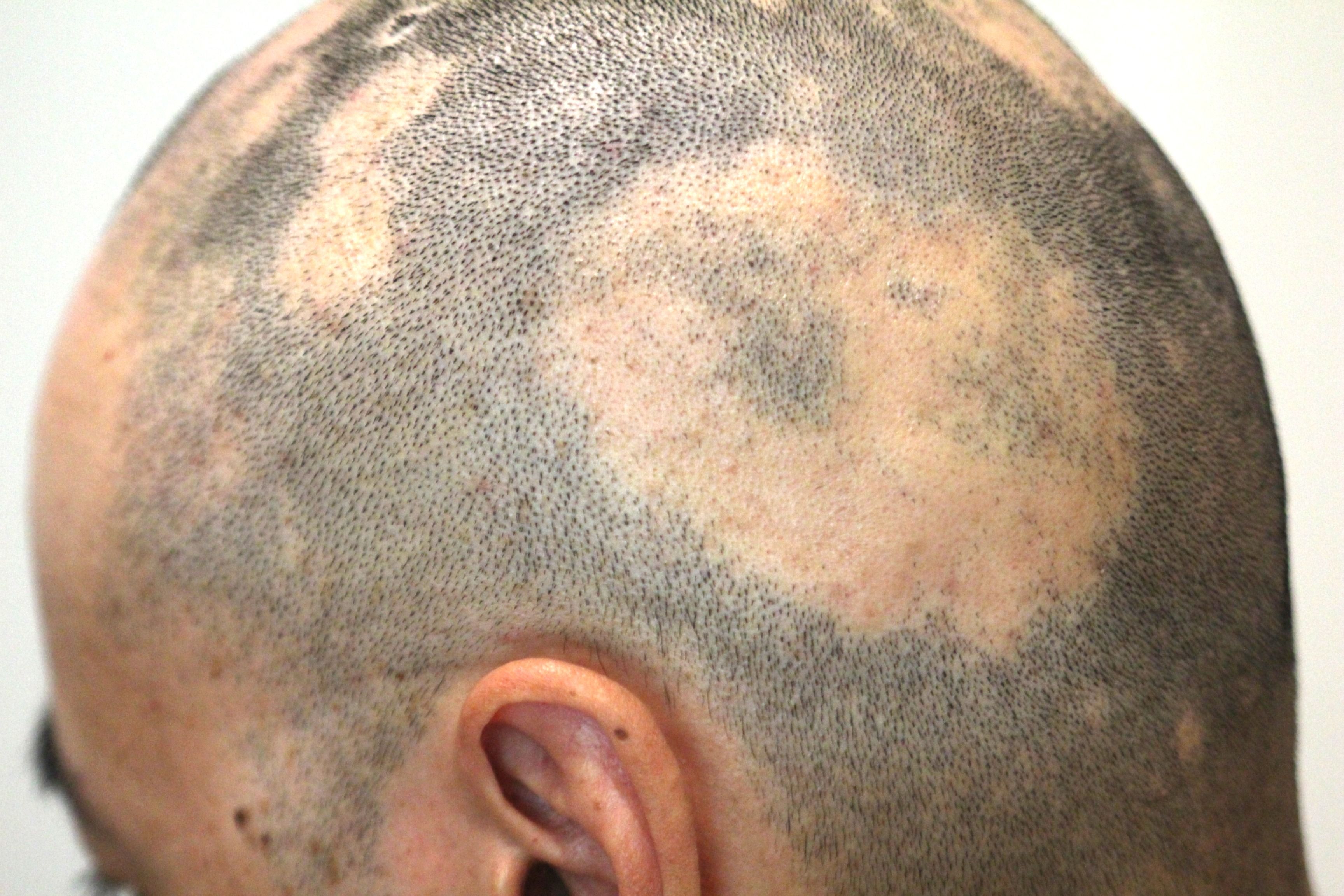
Alopecia areata is an autoimmune condition in which the body's immune system mistakenly targets hair follicles, causing hair growth to stop.

It commonly presents as:

  • Smooth, round patches of hair loss on the scalp
  • Sudden onset of hair shedding
  • Patchy hair loss affecting other areas of the body

In many cases, hair regrows naturally. However, medical treatment may be recommended to reduce ongoing hair loss and encourage regrowth.

In rare instances, alopecia areata can progress to:

  • Alopecia Totalis – loss of all scalp hair
  • Alopecia Universalis – loss of hair across the entire body

Recent advances in treatment have significantly improved outcomes for many patients with more extensive forms of alopecia areata.

Hair Loss Caused by Medications, Illness or Other Conditions

Certain medications, medical conditions, toxins, and inflammatory or immune disorders can directly affect hair follicles and disrupt normal hair growth.

Without appropriate treatment, some conditions may lead to permanent hair loss due to irreversible damage to the follicles. Early diagnosis and management are important to help preserve hair growth and prevent further progression.

Diagnosis and Treatment

The majority of hair loss conditions can be accurately diagnosed through a thorough clinical assessment. Once the cause has been identified, treatment can often be tailored to slow hair loss, stimulate regrowth, and maintain long-term hair health.

Evidence-based treatment options may include:

  • Prescription medications
  • Management of underlying medical conditions
  • Treatment of inflammatory or autoimmune disorders
  • Ongoing monitoring and follow-up care

At Malvern Dermatology, our dermatologists have extensive experience in diagnosing and treating a wide range of hair loss conditions. We focus on proven, evidence-based treatments and provide personalised care tailored to each patient's needs.

Hair Loss

Eczema

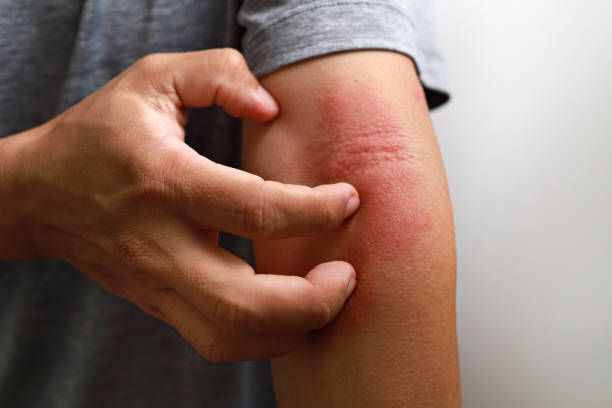
Eczema and dermatitis are often used interchangeably to describe a red, itchy rash that may be localised, widespread, occur acutely or may be long standing with occasional flare ups. It affects about one in every five people at some time in their lives. It results from a variety of different causes and has various patterns.

Eczema often commences in infancy and may subside within a few years. Some patients may experience recurrence of their eczema years later during their school years or adulthood. Those patients with eczema may also be more susceptible to asthma, hayfever and allergies as they have a more ‘reactive’ immune system.

The emphasis at Malvern Dermatology and Medical Laser Clinic is to give relief to inflamed skin, protect the skin from further flareups and to teach patients to manage intermittent flare-ups.We may use a variety of cleansers, creams, light therapies, and immune system modulators to achieve this.

Eczema

Rashes

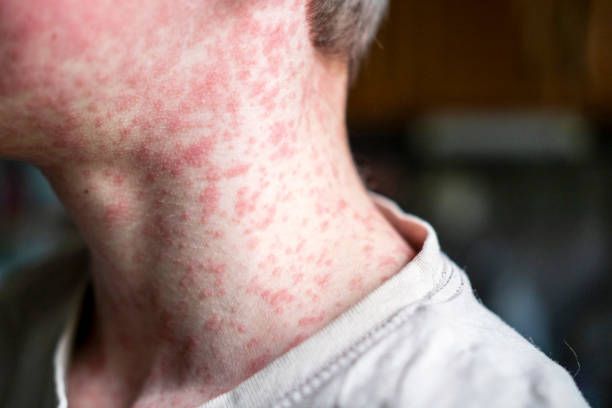
Rashes are changes in the colour, look, or feel of your skin, commonly caused by contact irritation, viral or bacterial infections, and allergic reactions. Most are harmless, but some need quick medical care.

Common Causes

  • Allergies: Reactions to soaps, plants or specific foods and medicines.
  • Infections: Viruses like chickenpox or hand, foot, and mouth disease, and fungus like ringworm.
  • Skin Conditions: Long-term issues like eczema and psoriasis.
  • Irritants: Trapped sweat causing heat rash, or rough chemicals touching the skin

Signs You need urgent medical attention

  • Trouble breathing: Swelling of the tongue or throat along with the rash.
  • Fever and pain: A sudden rash paired with high fever, a stiff neck, or confusion.
  • Bruise-like spots: Spots that do not fade when you press a glass against them.
  • Fast spread: A rash that changes and worsens very quickly.

Usually, your GP can diagnose and resolve most rashes. A rash that keeps recurring and is not responding to treatment needs a dermatologist.

Rashes

Hyperhidrosis (Excessive Sweating)

Hyperhidrosis is a medical condition that causes excessive sweating beyond what is needed to regulate body temperature. It can occur even when you are not exercising or exposed to heat. For some people, sweating may be severe enough to soak through clothing, affect daily activities, or cause discomfort in social and professional situations.

The good news is that effective treatments are available. Depending on the severity of your symptoms, treatment options may include prescription-strength antiperspirants, medications, specialised therapies, or, in some cases, surgical procedures. Your dermatologist can help determine the most appropriate treatment for your needs.

What Causes Hyperhidrosis?

Sweating is the body's natural way of cooling itself. When your body temperature rises, your nervous system signals your sweat glands to produce sweat. Sweating can also occur in response to stress, anxiety, or nervousness, particularly on the palms of the hands.

Hyperhidrosis is generally classified into two types:

Primary Hyperhidrosis

Primary hyperhidrosis is caused by overactive nerve signals that stimulate the sweat glands. This type of hyperhidrosis is not linked to an underlying medical condition and may run in families.

Secondary Hyperhidrosis

Secondary hyperhidrosis occurs as a result of an underlying medical condition or as a side effect of certain medications. Unlike primary hyperhidrosis, it may cause excessive sweating across larger areas of the body.

When to Seek Help

If excessive sweating is affecting your daily life, confidence, work, or social activities, it may be time to seek professional advice. An accurate diagnosis can help identify the cause and ensure you receive the most effective treatment.

Hyperhidrosis