Types of Skin Cancer
Melanoma
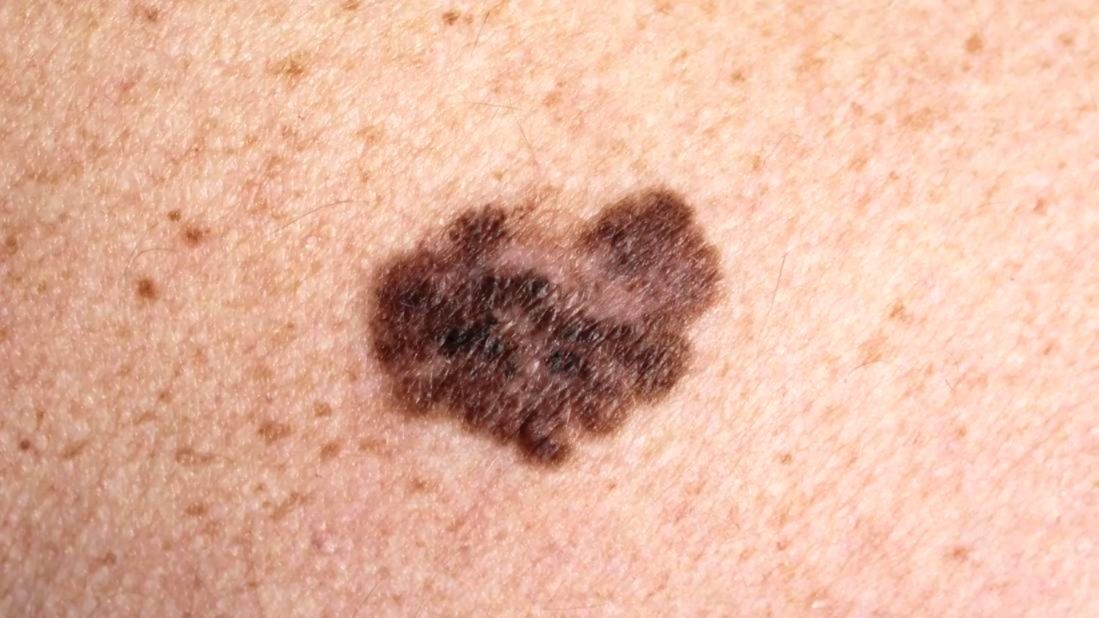
Melanoma is the most serious type of skin cancer. It develops in the pigment-producing cells (melanocytes) that give skin its colour. Although less common than other skin cancers, melanoma has the greatest potential to spread to other parts of the body if not detected and treated early.
The prognosis for melanoma is highly dependent on its thickness (depth) at the time of diagnosis. When detected early and removed before it has penetrated deeply into the skin, melanoma is highly curable. However, as the melanoma grows deeper, the risk of spread to lymph nodes and other organs increases significantly.
Signs to Look For
You should seek medical assessment if you notice:
- A new mole or spot appearing in adulthood
- A mole that is changing in size, shape, or colour
- An irregular or uneven border
- Multiple colours within a single lesion
- A spot that is itching, bleeding, crusting, or not healing
- A lesion that looks different from your other moles ("the ugly duckling sign")
Regular skin checks and prompt assessment of suspicious lesions are the most effective ways to detect melanoma early and achieve the best possible outcome.
Basal Cell Carcinoma (BCC)
Basal cell carcinoma (BCC) is the most common form of skin cancer and the most common cancer diagnosed worldwide. It typically develops on sun-exposed areas such as the face, ears, scalp, neck, and shoulders.
BCCs are usually slow-growing and rarely spread to other parts of the body. However, if left untreated, they can progressively invade surrounding tissues, causing significant local damage and potentially requiring more extensive treatment.
Common Features of BCC
A basal cell carcinoma may appear as:
- A pearly or shiny lump
- A pink or red patch that does not heal
- A sore that repeatedly bleeds or crusts
- A scar-like area that slowly enlarges
- A persistent lesion that changes over time
Although BCCs are generally highly treatable, early diagnosis often allows for simpler treatment and better cosmetic outcomes.
Squamous Cell Carcinoma (SCC)
Squamous cell carcinoma (SCC) is the second most common type of skin cancer. It commonly develops on areas of skin that have experienced significant sun exposure over many years.
SCCs are generally more aggressive than basal cell carcinomas and have a greater tendency to spread to lymph nodes or other parts of the body if left untreated. Fortunately, when detected early, SCCs can usually be treated successfully.
Common Features of SCC
A squamous cell carcinoma may appear as:
- A rapidly growing lump or thickened patch
- A scaly, crusted, or rough lesion
- A persistent sore that does not heal
- A tender or painful growth
- A lesion that bleeds easily
Some SCCs can resemble a pimple, wart, or skin infection and may not improve with routine treatments, including antibiotics.
Why Early Detection Matters
Australia has one of the highest rates of skin cancer in the world. Early detection and treatment significantly improve outcomes for all types of skin cancer.
We recommend:
- Performing regular self-skin examinations
- Using sun protection every day
- Seeking medical advice for any new, changing, or unusual skin lesions
- Having regular professional skin checks if you have a history of skin cancer, numerous moles, fair skin, significant sun exposure, or a family history of melanoma
At Malvern Dermatology and Medical Laser Clinic, our dermatologists provide comprehensive skin cancer assessments, diagnosis, treatment, and ongoing surveillance to help protect your long-term skin health.