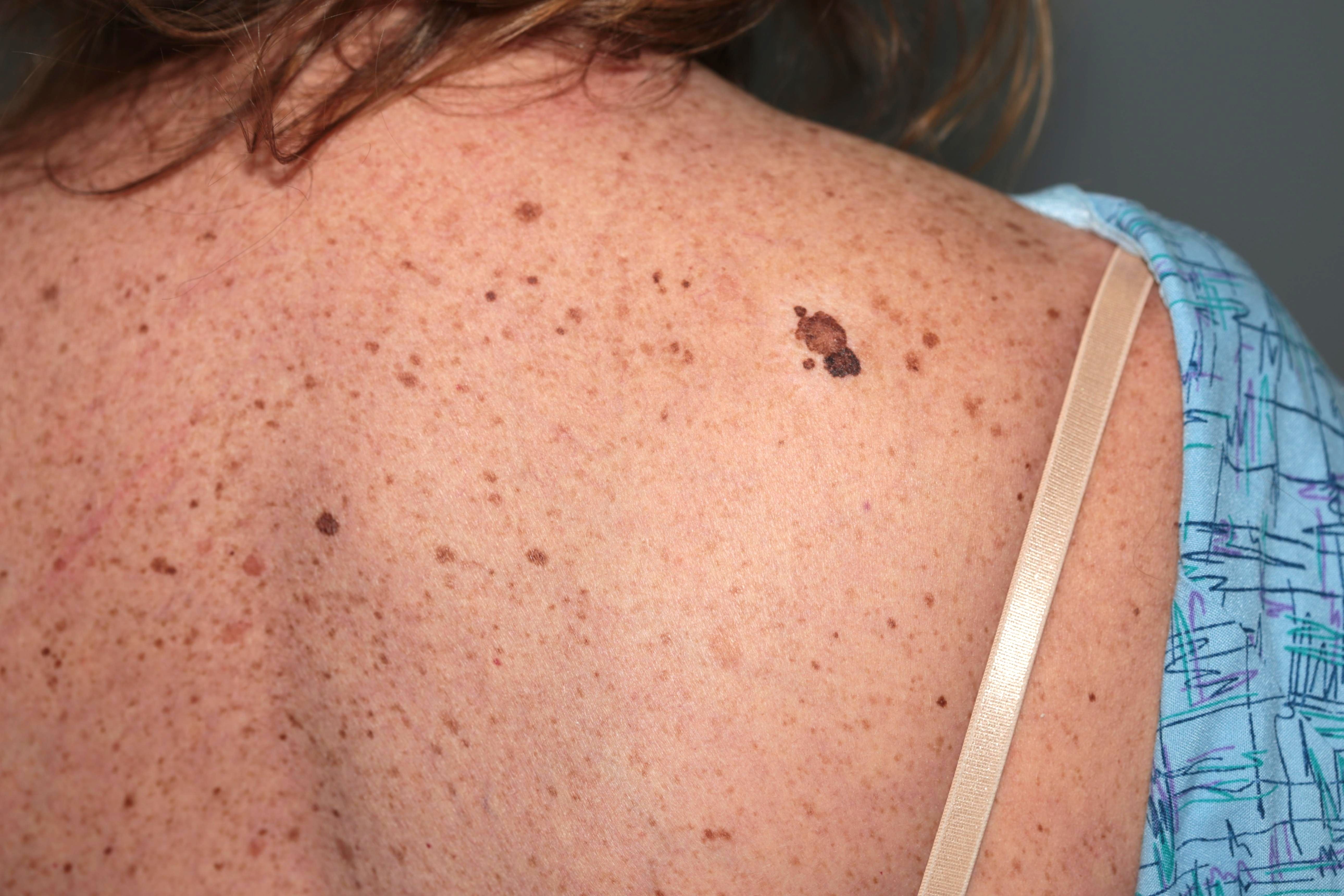
Treating Skin Cancer
A holistic approach to skin cancer treatment...
Skin Cancer Treatment
The most appropriate treatment for skin cancer depends on several factors, including:
- The type of skin cancer
- The size and thickness of the lesion
- Its location on the body
- Whether the cancer is primary or recurrent
- Whether the cancer has spread (metastasised) to other areas
- Your general health and medical history
Your dermatologist will discuss the most suitable treatment options for your individual circumstances and explain the benefits and potential risks of each approach.
Excision Surgery
Excision is the most common treatment for many skin cancers. The cancer is surgically removed along with a margin of healthy surrounding tissue to help ensure complete removal.
Excision is commonly used for:
- Melanoma
- Squamous cell carcinoma (SCC)
- Basal cell carcinoma (BCC)
The removed tissue is sent to a pathology laboratory for microscopic examination to confirm the diagnosis and ensure the cancer has been completely removed.
Curettage and Cautery
This procedure involves carefully scraping away the skin cancer (curettage) and then using heat to destroy any remaining abnormal cells (cautery).
It may be suitable for:
- Certain superficial basal cell carcinomas
- Some pre-cancerous lesions
The procedure is usually performed under local anaesthetic and often results in minimal downtime.
Cryotherapy
Cryotherapy uses liquid nitrogen to freeze and destroy abnormal or pre-cancerous skin cells.
It is commonly used for:
- Solar keratoses (actinic keratoses)
- Selected superficial skin cancers
Following treatment, the area may blister, crust, and heal over several weeks.
Mohs Micrographic Surgery
Mohs surgery is a specialised procedure primarily used for selected non-melanoma skin cancers, particularly those occurring on cosmetically sensitive areas such as the face.
The cancer is removed layer by layer, with each layer examined under the microscope immediately during the procedure. This allows precise removal of cancerous tissue while preserving as much healthy skin as possible.
Mohs surgery offers:
- High cure rates
- Maximum tissue preservation
- Excellent cosmetic outcomes
Photodynamic Therapy (PDT)
Photodynamic therapy combines a light-sensitive cream with a specialised light source to selectively destroy abnormal cells.
This treatment may be used for:
- Sun-damaged skin
- Actinic keratoses
- Selected superficial skin cancers
PDT can treat larger areas of sun damage and may provide excellent cosmetic results.
Imiquimod Cream
Imiquimod is a prescription cream that stimulates the body's immune system to recognise and destroy abnormal skin cells.
It may be used for:
- Certain superficial basal cell carcinomas
- Actinic keratoses
- Other selected skin conditions
Treatment is typically applied at home according to a prescribed treatment schedule.
Radiotherapy
Radiotherapy uses targeted high-energy radiation, such as X-rays, to destroy cancer cells.
It may be recommended when:
- Surgery is not appropriate
- The cancer is in a difficult location
- Additional treatment is required after surgery
Treatment is delivered by radiation oncology specialists over a series of sessions.
Systemic Treatments for Advanced Skin Cancer
For skin cancers that have spread beyond the skin, additional treatments may be required, including:
- Chemotherapy
- Immunotherapy
- Targeted therapies
These treatments are most commonly used for advanced melanoma and some advanced non-melanoma skin cancers. They are typically managed by a multidisciplinary team of specialists.
Follow-Up Care
Having one skin cancer increases your risk of developing another in the future. For this reason, ongoing surveillance is important.
Your dermatologist may recommend:
- Regular skin cancer checks
- Monitoring of existing moles and lesions
- Professional photographic mole mapping where appropriate
- Prompt assessment of any new or changing spots
If you notice a lesion that is growing, changing, bleeding, crusting, or not healing, arrange an appointment with your GP or dermatologist as soon as possible rather than waiting for your next scheduled review.
Protecting Your Skin
While not all skin cancers can be prevented, protecting your skin from ultraviolet (UV) radiation can significantly reduce your risk.
We recommend:
- Wearing a broad-spectrum SPF 50+ sunscreen every day
- Reapplying sunscreen every two hours when outdoors
- Wearing a wide-brimmed hat, sunglasses, and protective clothing
- Seeking shade whenever possible
- Avoiding peak UV periods
- Never using tanning beds or solariums
Early Detection Saves Lives
Most skin cancers can be treated successfully when detected early. Regular self-examinations, professional skin checks, and effective sun protection remain the best strategies for maintaining long-term skin health.